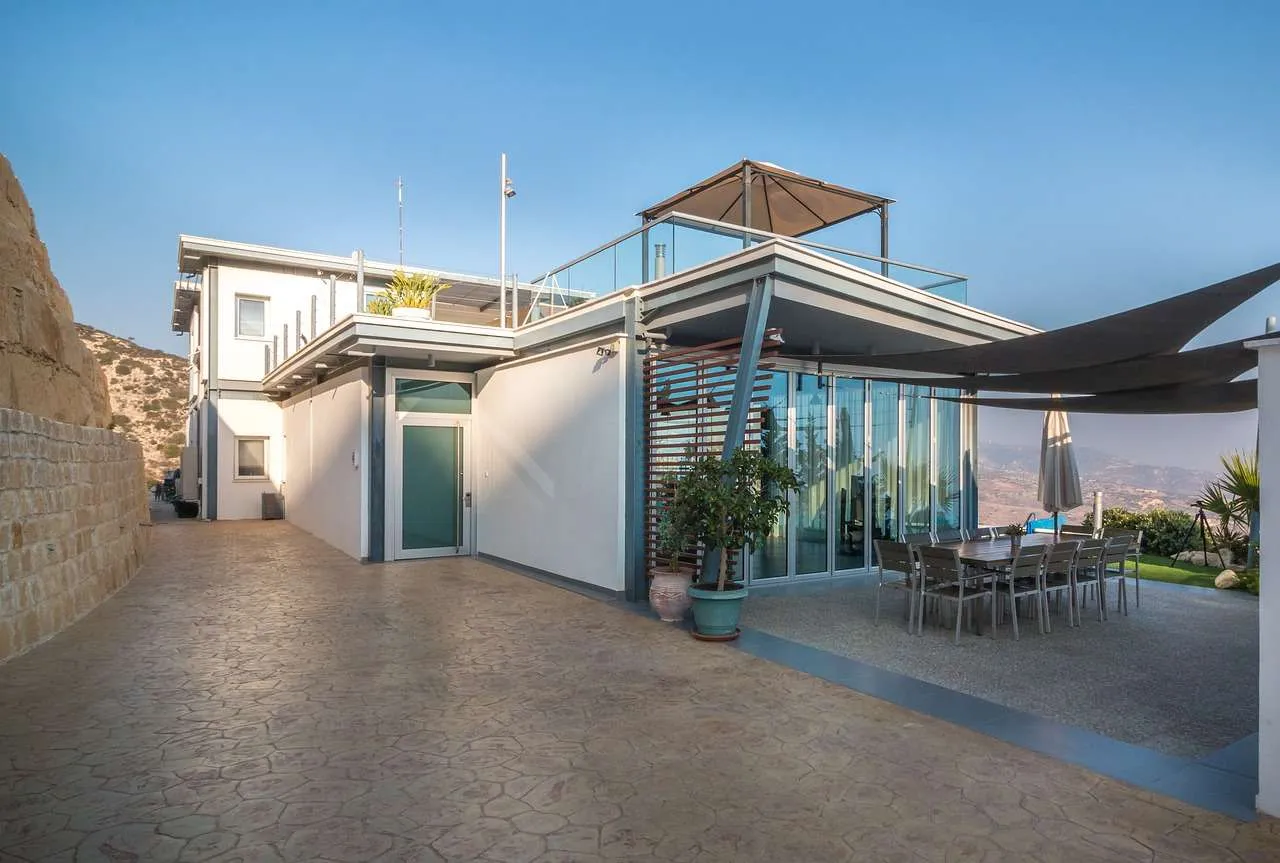
Protecting your home starts with a solid roof. This guide on roofing and roof repairs covers how to spot problems early, maintain your roof for longevity, and hire trustworthy professionals. By combining practical maintenance with informed decision making, homeowners can reduce costs and minimize disruption while ensuring durable protection against the elements.
Introduction to Roofing and Roof Repairs
A roof is more than a shield from rain; it is a critical system that affects energy efficiency, interior comfort, and property value. When parts of the roof fail, water intrusion can cause structural damage and mold growth. Understanding common issues and repair options helps you act quickly and confidently. This article emphasizes practical steps, professional standards, and budgeting considerations for both roofing and roof repairs.
Common Signs You Need Roof Repairs
Early detection saves time and money. Watch for:
- Missing, curling, or cracked shingles
- Water stains on ceilings or walls after rain
- Exposed flashing around chimneys, vents, or walls
- Granule buildup in gutters and downspouts
- Sagging sections or soft spots in the roof deck
Some indicators are not obvious from the ground. Consider seasonal inspections, especially after hail storms or heavy winds, to catch issues before they escalate into costly roof repairs or replacements.
Maintenance and Prevention for Long-Term Durability
Proactive maintenance extends the life of roofing and reduces the need for frequent repairs. Key practices include:
- Regular inspections by a licensed professional at least once a year
- Cleaning gutters and removing debris that traps moisture
- Trimming branches that overhang the roof to prevent physical damage
- Ensuring proper attic ventilation and addressing insulation gaps
- Promptly repairing damaged flashing and sealant around vents
Documented maintenance also helps preserve warranties and supports resale value by showing care and attention to the roof.
Repair Options and When to Replace
Deciding between roof repairs and a full replacement depends on damage extent, roof age, and budget. Minor leaks or localized shingle damage may be resolved with targeted repairs. Widespread damage, structural rot, or multiple leaks across your roof often indicate replacement is the more cost-effective and durable choice. Consider the roof’s age, current material, and warranty terms when evaluating options.
Repair versus Replacement Criteria
Key considerations include the roof’s age, the type of material, leak frequency, and the cost of ongoing repairs compared to replacement. If a roof is past its expected lifespan or frequent repairs are needed to maintain integrity, replacement typically offers better long-term protection and energy efficiency.
Comparison: Repair vs Replacement
| Aspect | Roof Repairs | Roof Replacement |
|---|---|---|
| Typical triggers | Localized damage, leaks, missing shingles | Extensive damage, widespread rot, multiple leaks |
| Lifetime impact | Extends life by several years depending on damage | Restores 25 to 40 years of protection and efficiency |
| Cost range | Hundreds to a few thousand dollars for small repairs | Several thousand to tens of thousands depending on material and size |
| Pros | Low upfront cost, quick fix | Comprehensive protection, new warranties, improved efficiency |
| Cons | Potential recurring issues if underlying causes remain | Higher upfront cost, longer project timeline |
Choosing a Roofing Contractor: EEAT in Action
The EEAT framework—Expertise, Authoritativeness, and Trustworthiness—should guide every hiring decision. Look for:
- Licensing and insurance coverage, including worker compensation
- Industry certifications and manufacturer training for the chosen materials
- A solid portfolio of completed projects and verifiable client references
- Written, itemized estimates with clear material specifications and timelines
- On-site evaluation and a phased plan for repairs or replacement
- Transparent communication, clean safety records, and warranty offers
Ask for a detailed contract, verify online reviews, and contact previous customers. A reputable contractor will prioritize long-term quality over quick, low-cost fixes.
Costs, Warranties, and Financing
Costs vary by region, roof size, material, and accessibility. Typical ranges include minor repairs from a few hundred dollars, mid-size repairs in the low thousands, and full replacements that reflect material choices such as asphalt, metal, tile, or cedar. Always request a written warranty for both labor and materials, and compare multiple bids to understand what is included. Some projects offer financing options or seasonal discounts but beware of hidden fees in low bids. A well-planned budget includes contingencies for unexpected findings during removal or repairs.
Conclusion and Practical Next Steps
Regular roof maintenance, early problem detection, and careful contractor selection are the pillars of durable roofing and reliable roof repairs. By weighing repair versus replacement with realistic cost estimates and strong evidence of expertise, homeowners can protect their homes and investment while minimizing disruption.
Summary: By understanding signs of damage, maintenance practices, repair versus replacement decision criteria, and how to select a qualified contractor, homeowners can safeguard their roofing investment and ensure long term performance.