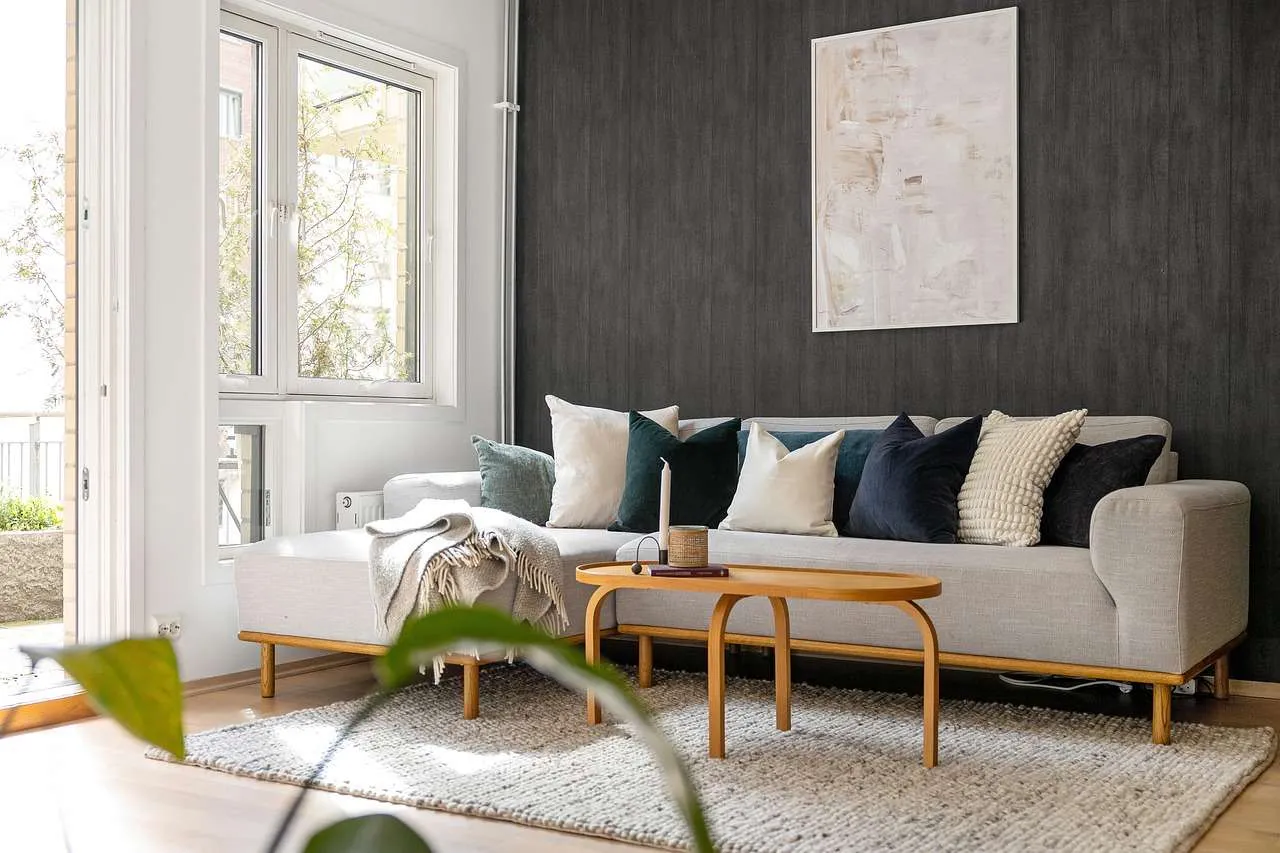
Home window tinting is a practical upgrade for comfort, energy efficiency, and protection from the sun. By applying a thin film to interior glazing, homeowners can control heat, glare, UV exposure, and privacy without sacrificing daylight. The right tint improves indoor comfort, reduces strain on cooling systems, and helps preserve furnishings from sun damage.
What is home window tinting?
Home window tinting refers to a thin film applied to residential windows designed to alter light transmission and heat flow. Tint films can be dyed, metalized, ceramic, carbon-based, or reflective, each offering distinct performance, aesthetics, and maintenance needs. Modern films balance performance with a non-reflective appearance for a clean, indoors-out look while improving energy efficiency.
Benefits of home window tinting
Choosing the right tint delivers multiple advantages for most homes:
- Energy savings: Tint reduces heat gain in hot summers and can minimize heat loss in milder seasons, lowering cooling and heating costs.
- UV protection: Most films block up to 99% of ultraviolet rays, protecting occupants and fading fabrics, flooring, and furniture.
- Glare control: Reduced glare makes screens easier to read and increases overall comfort in living spaces.
- Privacy and aesthetics: Tinted windows offer daylight while limiting visibility from the outside, without darkening interiors excessively.
- Safety and durability: Some films help hold shattered glass together after impact and resist scratching over time when properly chosen.
Types of window tint films
Understanding film types helps you match performance with goals and budget.
Dyed window tint
Dyed films are affordable and provide basic heat reduction and privacy. They are usually darker on the exterior and can fade over time if exposed to harsh climate conditions. Best for budget-oriented projects that prioritize appearance and moderate glare reduction.
Metalized window tint
Metalized films incorporate thin metallic layers to reflect heat and reduce infrared transmission. They offer strong heat rejection and durability but may interfere with electronic signals on some devices if applied improperly. Suitable for homeowners seeking higher heat control.
Ceramic window tint
Ceramic films use nonconductive particles that deliver excellent heat rejection with minimal reflection. They preserve true color in daylight and are ideal for homeowners who want strong performance without affecting electronics or aesthetics.
Carbon window tint
Carbon-based films are known for their matte, non-reflective appearance and good heat absorption. They offer solid UV protection and durability, often with a premium feel and stealthy look that hides dirt better than some other options.
Reflective window tint
Reflective films create a mirror-like exterior finish that significantly reduces heat gain and improves privacy. They are highly effective but can alter curb appeal and may be restricted in some neighborhoods due to local regulations or homeowner association guidelines.
How to choose a film and a professional installer
Making the right choice involves aligning film characteristics with your goals and hiring a qualified pro.
Define your goals
Ask yourself what you want to achieve: energy savings, glare reduction, privacy, or enhanced safety. Consider room-use patterns, sun exposure, and whether you have electronics sensitive to interference.
Check local laws and warranties
Many regions limit tint darkness on front-side windows or require certain VT (visible transmittance) levels. Verify requirements and understand film warranties and installation guarantees before committing.
Choose a qualified installer
Look for licensed or certified installers, clear written estimates, and documented warranties. Ask about: window type compatibility, film aging expectations, warranty transferability, and post-installation inspection practices. A reputable installer will assess glass type, climate, and shading factors to recommend the optimal film.
Cost and ROI
Costs vary by film type, tint percentage, window size, number of panes, and labor. Typical residential projects may range from $6 to $12 per square foot installed for mid-range films, with premium ceramic or carbon options higher. While the upfront investment varies, the long-term ROI appears via lower cooling loads, reduced HVAC wear, and slower furniture fading. In climates with intense sun, many households see noticeable savings within a few years.
Maintenance and care
Maintenance is simple: clean with a mild, non-abrasive cleaner and a soft cloth or sponge. Avoid ammonia-based products that can degrade some films. Do not scrape or rub aggressively on the film surface, and address any bubbling or adhesive issues promptly with the installer to preserve performance and warranty.
Comparison of common tint types
| Film Type | Heat Rejection | UV Rejection | Glare Reduction | Privacy | Durability | Cost |
|---|---|---|---|---|---|---|
| Dyed | Medium | High | Medium | Low–Medium | Medium | Low |
| Metalized | High | High | High | Medium–High | High | Medium |
| Ceramic | Very High | Very High | Low | Medium | High | High |
| Carbon | High | High | Medium | Medium | High | Medium–High |
| Reflective | Very High | High | High | High | High | Medium–High |
Conclusion
Summary: Home window tinting is a practical upgrade for comfort, energy savings, UV protection, and privacy when paired with proper installation and maintenance. Identify goals, confirm local regulations, choose a reputable installer with warranties, and select a film type that fits your climate and aesthetic. A well-executed project delivers long-term value for any home.