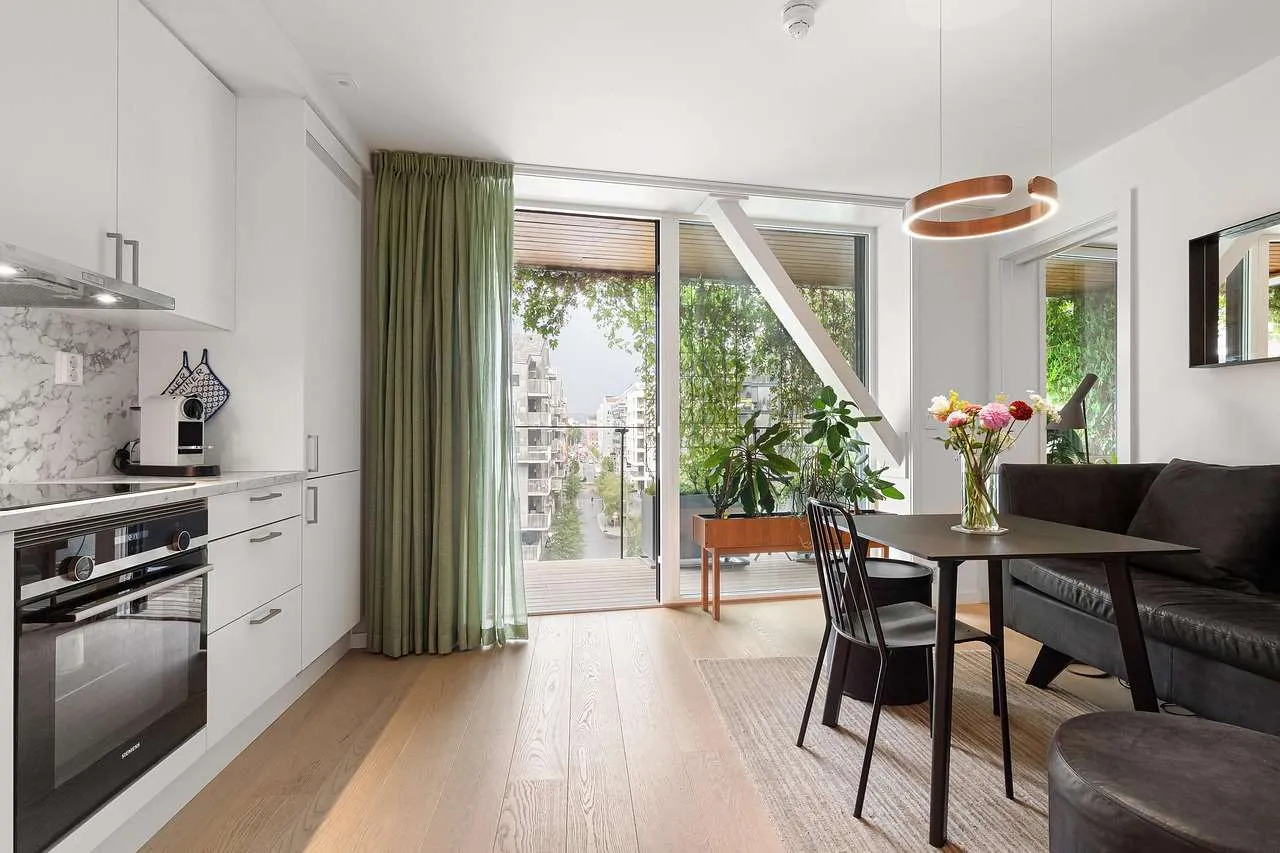
What is window tint for home?
Window tint for home refers to a thin film applied to glass surfaces to reduce heat gain, block UV rays, minimize glare, and enhance privacy. Modern residential films are designed to preserve natural light while improving comfort and energy efficiency. The right tint can lower cooling costs, protect furnishings from fading, and create more-even indoor temperatures without sacrificing exterior visibility.
Why homeowners choose residential window film
Residents select window tint for home to address several priorities. Energy savings come from reducing heat transfer through windows, especially on south or west-facing panes. UV protection helps prevent fading of furniture, carpets, and artwork. Glare reduction makes screens and dashboards easier to view, while privacy film deters casual looks from outside. In addition, some films add an extra layer of safety by holding shattered glass together in the event of impact. For homeowners, the result is enhanced comfort, longer-lasting interiors, and a potential rise in home value.
Types of residential window film
Films come in a range of compositions. Your choice depends on climate, budget, and goals such as maximum heat rejection or subtle aesthetics. The four common categories are dyed, metalized, ceramic, and carbon films.
Dyed window films
Dyed films are cost-effective and provide a darker, more uniform appearance. They offer noticeable glare reduction and privacy but may have moderate heat rejection and could fade over time. They are a good option for budget upgrades where the primary goal is reducing glare and enhancing privacy without high performance requirements.
Metalized films
Metalized films reflect a portion of infrared heat, giving strong heat rejection and excellent glare control. However, they can interfere with electronic signals for nearby devices and may create a chrome-like reflectivity at certain angles. Installation by a professional helps ensure compatibility with your existing windows and devices.
Ceramic films
Ceramic films deliver top-tier heat rejection and UV protection without much added reflectivity. They maintain color consistency and offer strong performance across a wide range of conditions. Ceramic options are often preferred for high-end homes where optimal comfort and clarity are valued, and they tend to resist staining and fading over time.
Carbon films
Carbon films provide excellent heat rejection with a non-reflective, natural look. They balance privacy and visibility well, preserve interior lighting, and resist fading. Carbon options are popular for homeowners seeking good performance with a subtle aesthetic and strong long-term stability.
How to compare films: a quick table
| Film Type | UV Rejection | Heat Rejection | Glare Reduction | Privacy | Cost | Best For |
|---|---|---|---|---|---|---|
| Dyed | ≈99% | Moderate | High | Low–Moderate | Low | Budget upgrades |
| Metalized | ≈99% | Very High | Excellent | High | Medium | Heat control with reflectivity |
| Ceramic | ≈99% | Excellent | Excellent | Moderate–High | High | All-around performance |
| Carbon | ≈99% | Very High | Strong | Low reflectivity, good privacy | High | Clear view with style |
Installation options: DIY vs professional
Choosing between a DIY kit and professional installation depends on window size, ease of access, and the desired finish. DIY films can be a cost saver for small panes and straightforward applications, but misalignment or creases can compromise performance and appearance. Professional installers bring experience, strong warranties, and precise cutting, especially on multi-pane configurations or large windows. For most homeowners seeking reliable results and long-term warranties, professional installation is recommended.
Costs, warranty, and return on investment
Residential window film costs typically range from $5 to $12 per square foot installed, depending on the film type and window size. Ceramic and carbon films sit at the higher end, while dyed films are more affordable. A typical home ROI comes from energy savings, reduced fading, improved comfort, and potential tax or utility rebates in some regions. When evaluating quotes, ask about warranty length, fade protection, and whether the warranty covers labor and installation issues.
Maintenance and care
Maintaining window tint for home is straightforward. Wait a few days after installation for the film to cure, then clean with a soft microfiber cloth and a pH-balanced cleaner. Avoid ammonia-based products, abrasive scrubs, or rough scrubbing that can scratch or dull the film. Regular cleaning helps retain clarity and extend the film's life up to 10–20 years, depending on film type and environmental exposure.
Legal considerations and privacy
Local regulations can limit visible light transmission or require specific tint categories for certain windows, especially in driven areas or areas with governing homeowner associations. Before purchasing, verify tint darkness levels and any permit requirements to ensure compliance and protect resale value. A professional installer is typically familiar with regional standards and can guide you toward compliant options.
Frequently asked questions
Q: Will window tint reduce natural light inside my home?
A: Most films preserve daylight while reducing heat and glare; the level depends on the tint percentage and film type.
Q: Does tinting affect window warranties?
A: It can; always check with the window manufacturer and installer for compatibility and warranty terms.
Q: How long does window tint last?
A: Most residential films last 10–20 years with proper care and professional installation.
Conclusion
Conclusion, window tint for home offers tangible benefits when matched with the right film type, professional installation, and ongoing care, while respecting local laws and warranty considerations.